Al-Omari Grand Mosque (Al-Jami’ Al-Kabir)
Beirut / Downtown Beirut / Beirut Governorate
The Al-Omari Grand Mosque is located in the heart of Downtown Beirut. It has a long history and reflects different periods of Beirut’s history, including the Crusader and Mamluk periods.
Verified site location
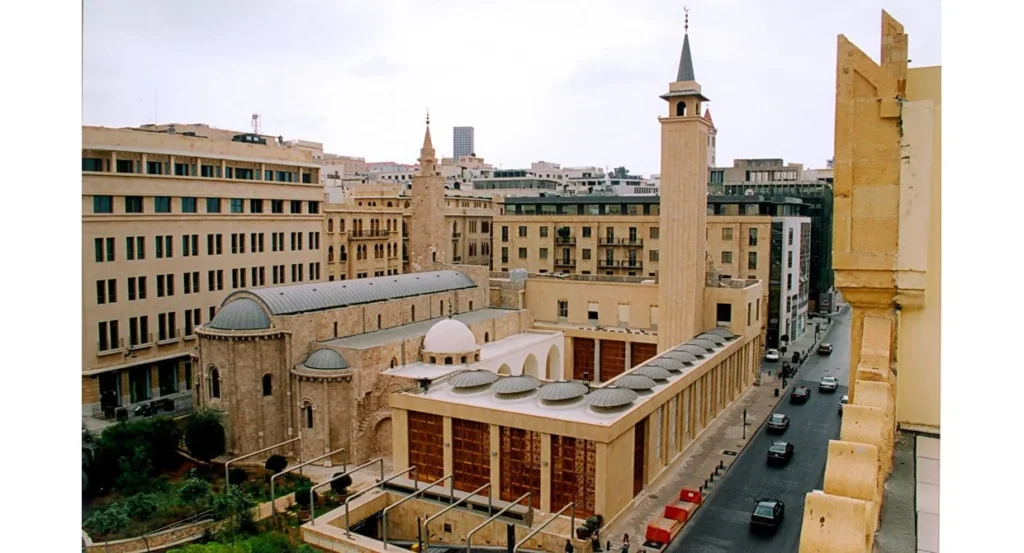
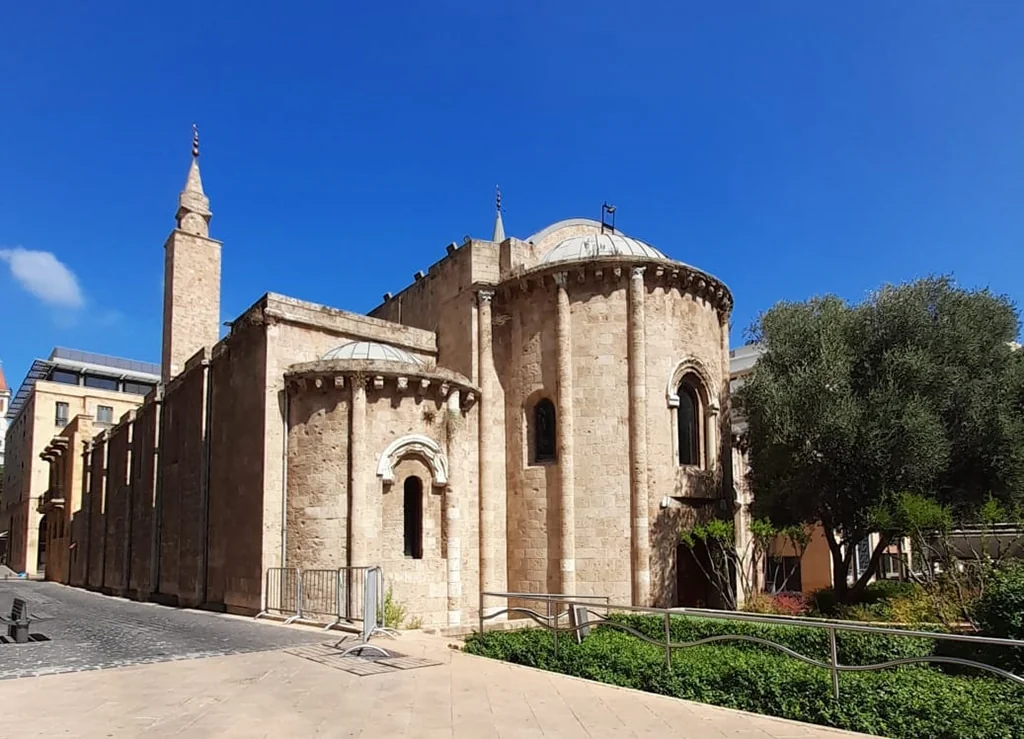
Overview
The Al-Omari Grand Mosque, also known as Al-Jami’ Al-Kabir, is a historic Sunni mosque in Beirut. During the Crusader period, it served as the Cathedral of Saint John the Baptist. In 1291, following the Mamluk conquest of Beirut, it was converted into a mosque. Today, it remains an active place of worship and part of Beirut’s religious and cultural heritage.
Historical / Cultural Significance
The site has a long history and was used for different purposes over the centuries. During the Mamluk period, after the conquest of Beirut in 1291, the building was converted into a mosque and became known as the Grand Mosque.
The mosque contains architectural elements from different periods, including Mamluk features such as the entrance and minarets. An old cistern with Roman columns and stone vaults is also preserved beneath the building.
Community Relevance
The Al-Omari Grand Mosque remains an active place of worship for Beirut’s Sunni Muslim community. It hosts daily prayers, Friday prayers and religious celebrations.
Located in Downtown Beirut, the mosque is also part of the city’s shared religious and cultural heritage. Together with nearby historic religious sites, it reflects Beirut’s diverse history and heritage.
Current Situation
The mosque was severely damaged during the Lebanese Civil War. Restoration works were completed in 2004. The mosque was also affected by the Beirut port explosion on 4 August 2020 and was restored again. It remains an active place of worship and an important part of Beirut’s religious and cultural heritage.
Full address
Downtown Beirut, Beirut, Lebanon
Accessibility
Accessible
Tags
Sunni Islam; Mosque; Religious Heritage; Islamic Architecture; Beirut; Downtown Beirut; Mamluk Heritage; Crusader History; Interreligious Heritage; Cultural Heritage
Information sources
Official documentation; Website / online source