Great Al-Omari Mosque (Al-Jami’ Al-Kabir)
Sidon / Old City / South Lebanon Governorate
The Great Al-Omari Mosque is a historic mosque located in the Old City of Sidon. Built in the late 13th century during the Mamluk period on the remains of a Crusader fortification.
Verified site location
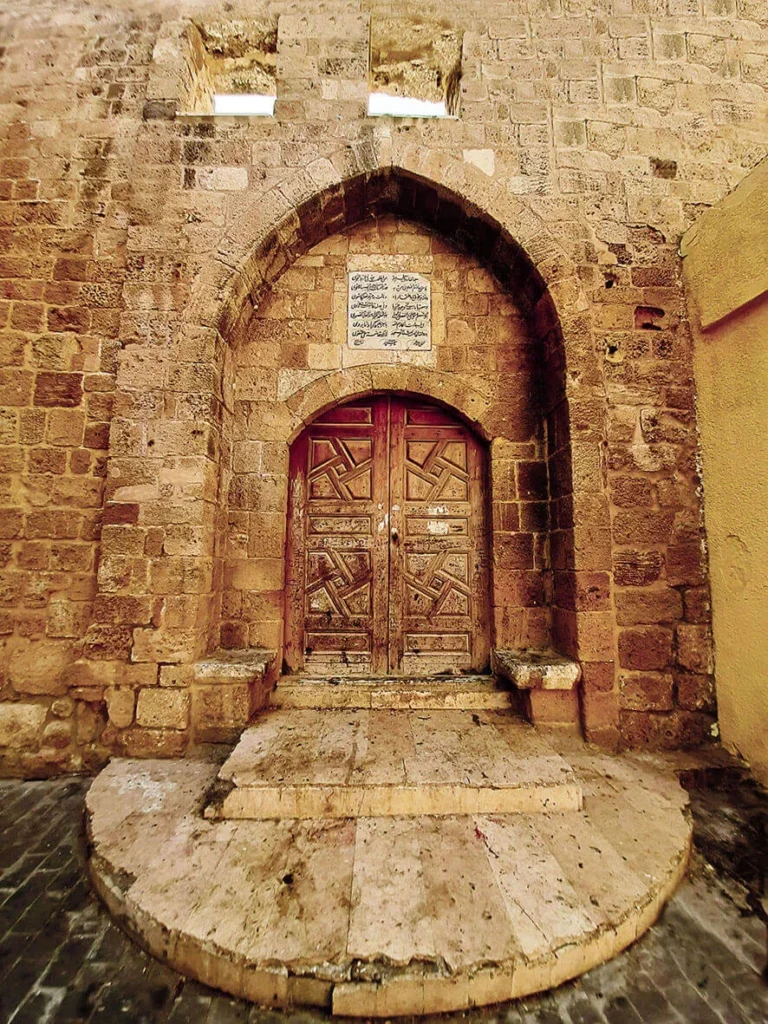
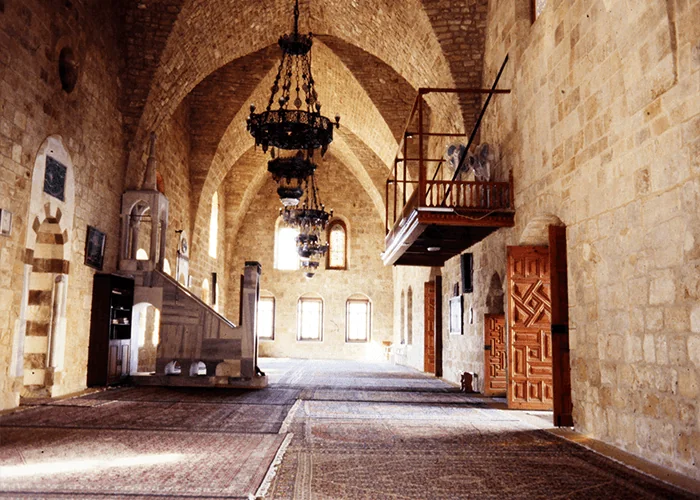
Overview
The Great Al-Omari Mosque, also known as Jami’ Saida Al-Kabir, is one of the oldest mosques in Sidon. Located in the historic city centre, it was built in the late 13th century during the Mamluk period on the remains of a Crusader fortification. It continues to serve the local Muslim community.
Historical / Cultural Significance
The mosque dates back to the late 13th century, during the Mamluk period. It was built on the remains of a Crusader fortification and church. Some parts of the earlier structure, including stone buttresses and other architectural elements, are still visible.
The mosque also includes elements from later periods. Its minaret was added during the Ottoman period in the second half of the 19th century. The combination of Crusader, Mamluk and Ottoman elements gives the mosque important historical and architectural value.
Community Relevance
The Great Al-Omari Mosque remains an active place of worship for Sidon's Sunni Muslim community. It hosts daily and Friday prayers, religious celebrations and other community activities.
Current Situation
The mosque was badly damaged by Israeli shelling during the 1982 invasion of Lebanon. The local community decided to restore the historic mosque rather than replace it. The restoration was led by architect Saleh Lamei-Mostafa, with support from the Rafic Hariri Foundation, and was completed in 1986. The work included rebuilding damaged walls, arches, vaults and domes, and strengthening the minaret.
Full address
Old City of Sidon, Sidon, South Lebanon, Lebanon
Accessibility
Accessible
Tags
Sunni Islam; Mosque; Islamic Heritage; Mamluk Architecture; Crusader Heritage; Sidon; Old City; Religious Heritage; Restoration; Cultural Heritage
Information sources
Official documentation; Archival material; Website / online source