Palm Islands Nature Reserve (Palm Islands / Jazirat al-Nakhl)
Tripoli / Offshore Tripoli / North Lebanon Governorate
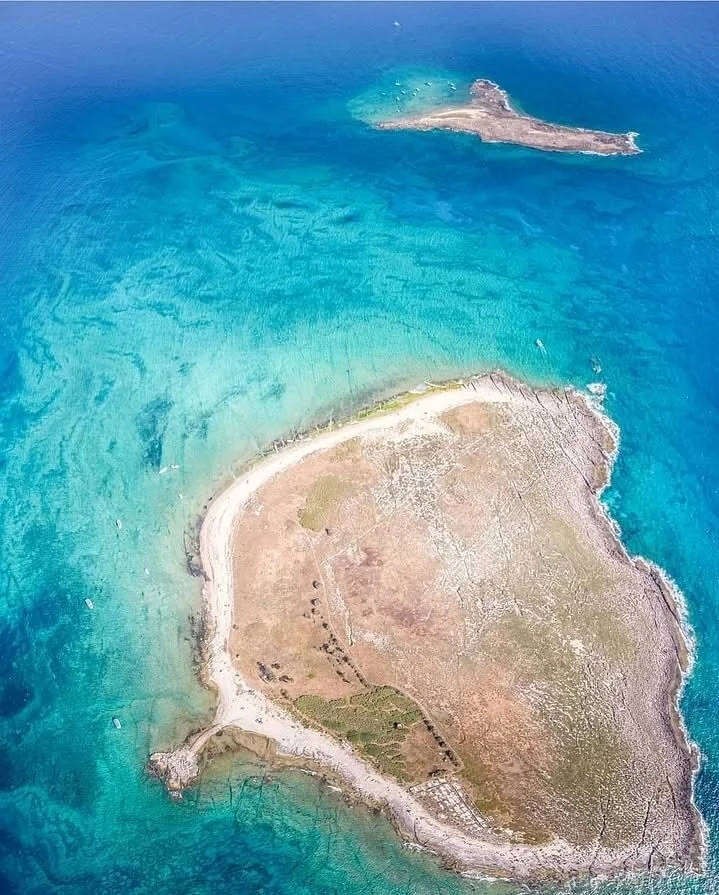
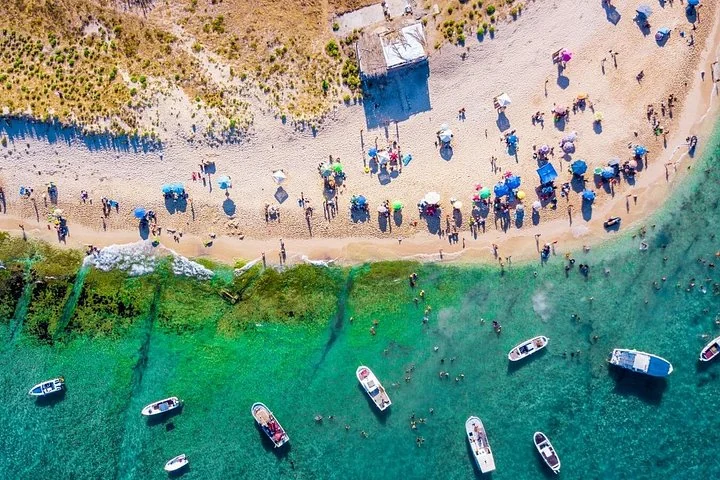
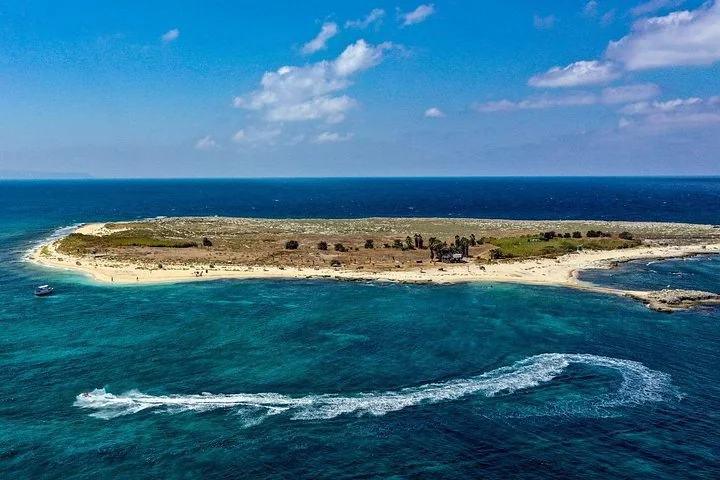
The Palm Islands Nature Reserve consists of three uninhabited islands about 5.5 km northwest of Tripoli. It is known for its rich biodiversity, migratory birds, marine life and loggerhead turtles.
City / area marker — this pin shows the general city or area, not the exact site.
Overview
The Palm Islands Nature Reserve includes three small Mediterranean islands (Palm Island (Nakhil), Ramkine Island (Fanar) and Sanani Island) and the surrounding waters. They were declared a nature reserve in 1992 under Law No. 121 and are managed by the Ministry of Environment.
Historical / Cultural Significance
The islands combine natural and cultural heritage. Palm Island has the remains of a Crusader-period church, believed to date to around 1224, and an old water well. Ramkine Island has an old lighthouse and remains of military structures from the early twentieth century. Palm Island also has an old salt-making area (salinas).
The reserve has rich biodiversity, including migratory birds and loggerhead sea turtles. The Palm Islands were designated as a Ramsar wetland of international importance in 2001.
Community Relevance
The islands have traditionally been visited by people from Tripoli and across Lebanon. Their proximity to the city also makes them valuable for environmental education, bird watching, ecological research and nature-based tourism. The reserve provides opportunities to learn about marine ecosystems, sea turtles, migratory birds and traditional salt production.
Current Situation
The islands are protected to preserve their biodiversity and wildlife. Access is seasonal and regulated, with swimming and snorkeling allowed in some areas during summer.
Full address
Palm Islands Nature Reserve, approximately 5.5 km northwest of Tripoli, North Lebanon. Access is by boat from the Tripoli coast.
Accessibility
Partially accessible — seasonal regulations.
Classification details
Natural heritage / Nature reserve
Tags
Natural heritage; marine ecosystem; biodiversity; protected area; migratory birds; sea turtles; wetlands; coastal heritage; Tripoli; ecotourism; environmental education
Captions and credits
Credits: Trip advisor
Information sources
Official documentation; Website / online source
Sources and references
Main sources:
Lebanese Ministry of Environment – Palm Islands Nature Reserve management and information documents. (Ministry of Education Lebanon)
Lebanese Ministry of Environment – Ramsar sites in Lebanon. (Ministry of Education Lebanon)
UNESCO World Heritage Centre – information on Lebanon's natural and cultural heritage. (UNESCO World Heritage Centre)
https://moe.gov.lb/%D8%A7%D9%84%D8%A7%D8%B9%D9%84%D8%A7%D9%86%D8%A7%D8%AA/2-%D8%B4%D8%A8%D8%A7%D8%B7-%D8%A7%D9%84%D9%8A%D9%88%D9%85-%D8%A7%D9%84%D8%B9%D8%A7%D9%84%D9%85%D9%8A-%D9%84%D9%84%D8%A7%D8%B1%D8%A7%D8%B6%D9%8A-%D8%A7%D9%84%D8%B1%D8%B7%D8%A8%D8%A9.aspx?lang=en-us&utm_source=chatgpt.com
https://moe.gov.lb/ProtectedAreas/publications/PlanPalmNov00.pdf?utm_source=chatgpt.com
https://whc.unesco.org/en/statesparties/lb?utm_source=chatgpt.com