Downtown Beirut / Beirut Central District
Beirut / Downtown Beirut / Beirut Governorate
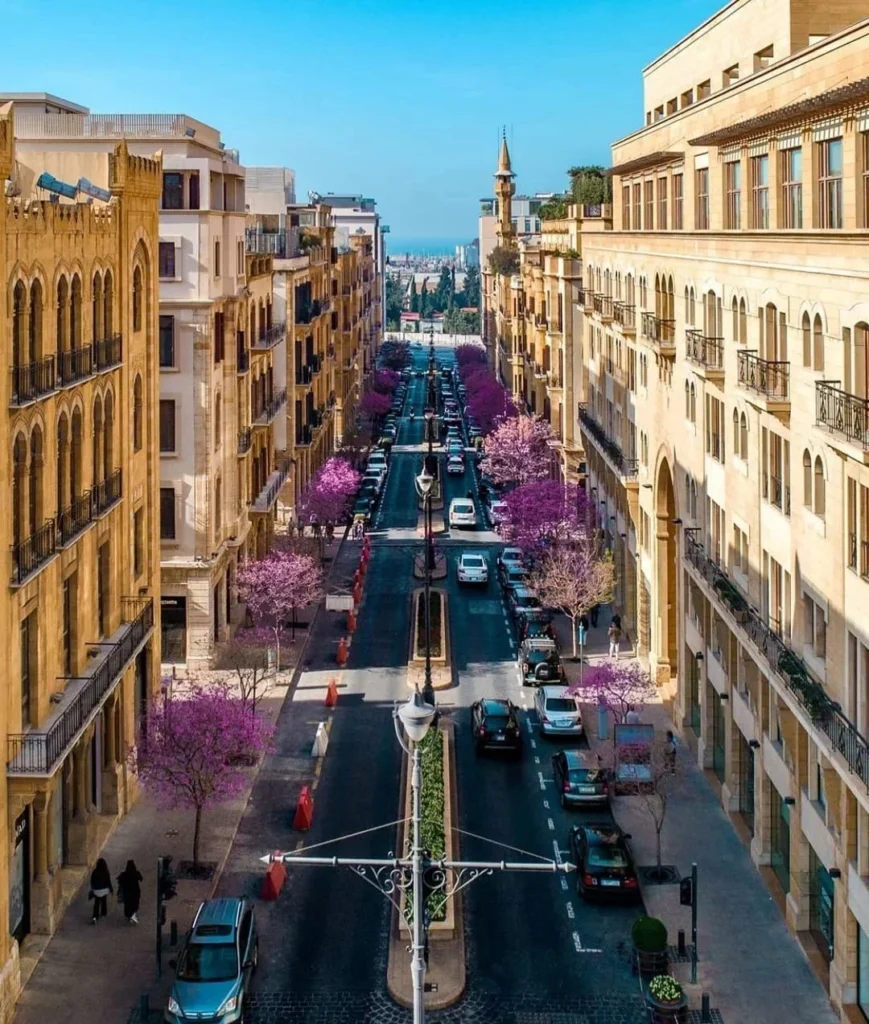
Downtown Beirut is the historic and commercial heart of the capital. It includes archaeological sites, religious buildings, historic and modern architecture, public spaces and cultural landmarks.
City / area marker — this pin shows the general city or area, not the exact site.
Overview
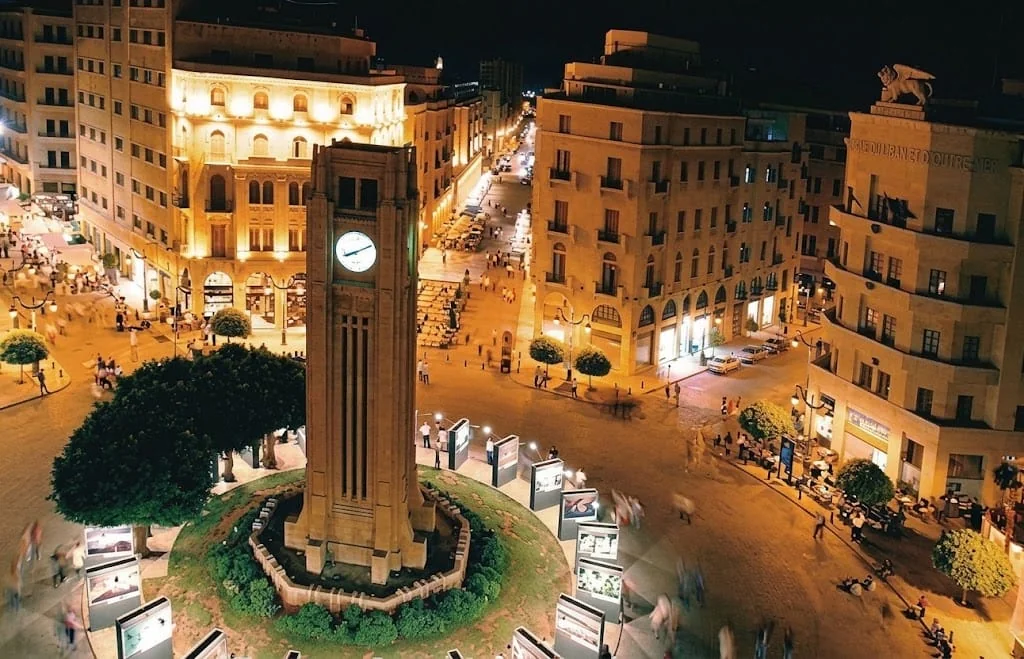
Downtown Beirut is the historic centre of the capital. It includes Nejmeh Square, Beirut Souks, Martyrs’ Square, Saifi, the Roman Cardo, religious buildings, historic streets, and old buildings reflecting the city’s development from the Roman and Ottoman periods through the French Mandate, the Civil War, and post-war reconstruction.
Historical / Cultural Significance
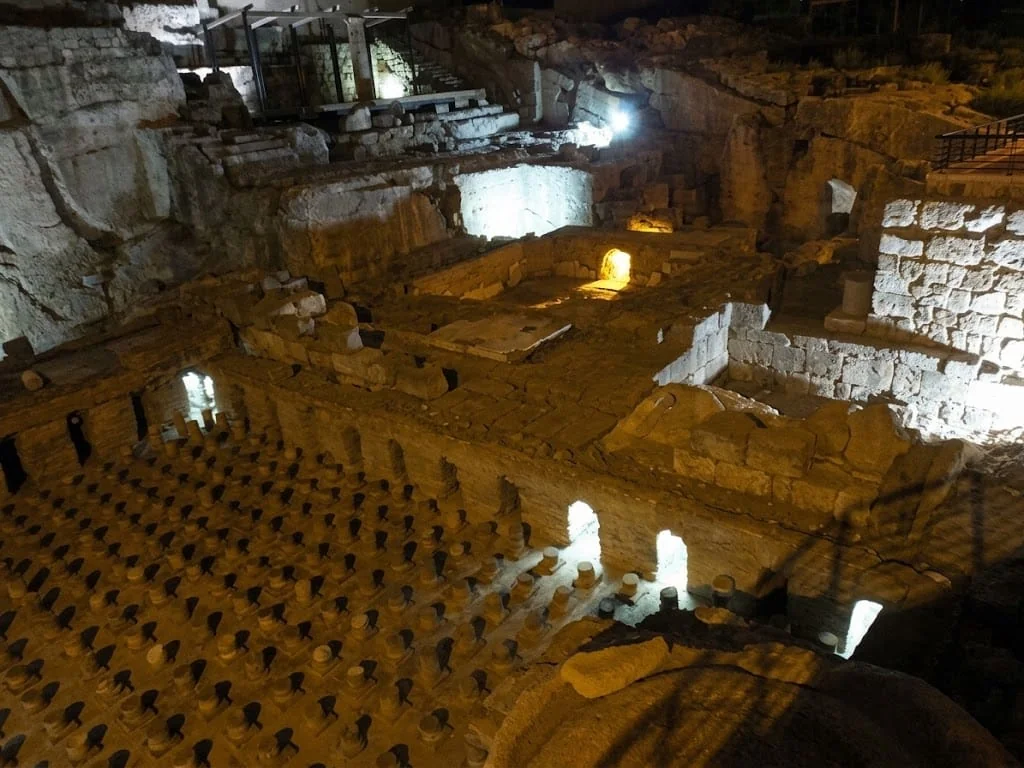
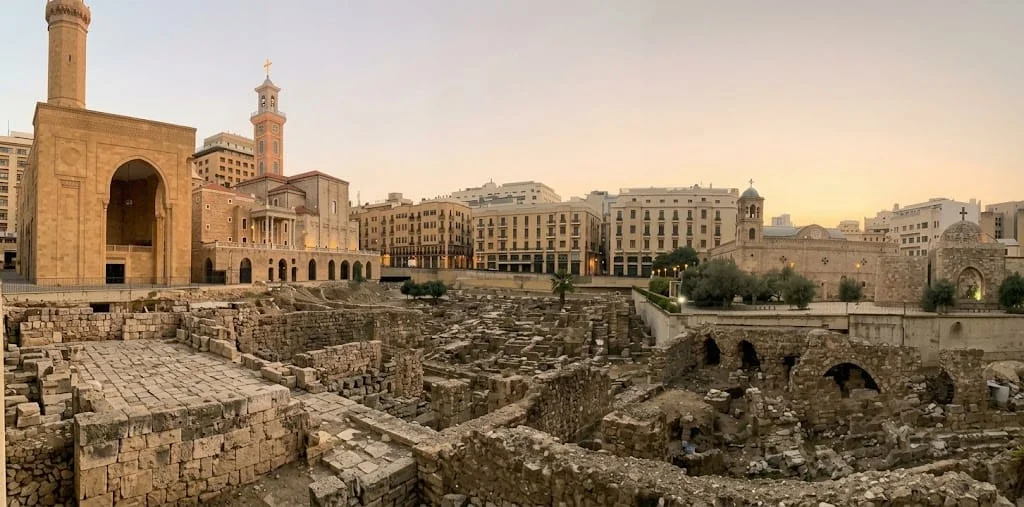
The area developed around the ancient city of Beirut and contains archaeological remains from different periods, including Roman and Byzantine remains. It also has Ottoman and Mandate-era buildings, as well as churches, mosques, markets, public buildings and traditional houses, showing Beirut’s religious and cultural diversity.
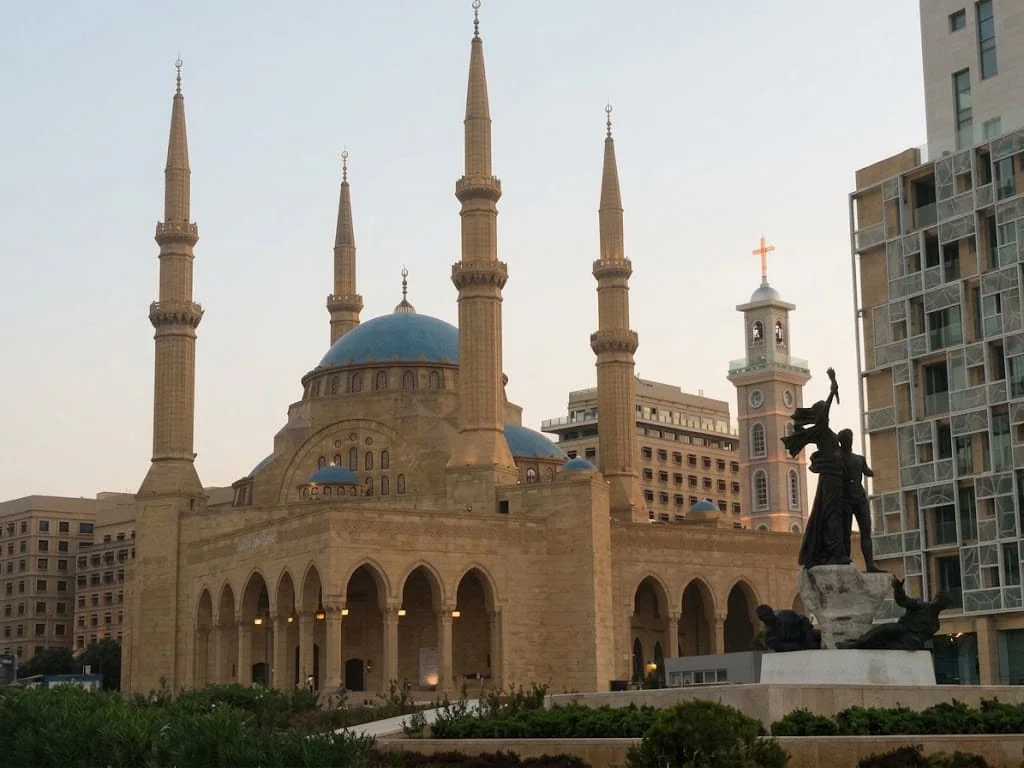
Downtown Beirut includes Nejmeh Square and its clock tower, Saint George Maronite Cathedral, Saint George Greek Orthodox Cathedral, Saint Elias Cathedral, the National Evangelical Church, Saint Louis Cathedral, Al-Omari Al-Kabir Mosque, Mohammad Al-Amin Mosque, the Roman Cardo, the Roman Baths, the Grand Serail, Beirut Souks, and Martyrs’ Square.
The area was severely affected by the Lebanese Civil War (1975–1990). The Green Line passed through central Beirut, and many buildings were damaged or abandoned. After the war, the city centre was largely rebuilt and redeveloped, mainly by Solidere.
Community Relevance
Downtown Beirut is a meeting place for different religious, social and economic communities. Its churches, mosques, squares, markets, cafés and cultural spaces reflect the city’s diverse and cosmopolitan identity.
The area continues to attract residents, workers, visitors, tourists and pilgrims. The presence of churches and mosques close to one another reflects the coexistence of different Christian and Muslim communities.
Public spaces such as Nejmeh Square and Martyrs’ Square have played an important role in Lebanon’s political and social life. They have hosted demonstrations, public gatherings, celebrations and national events.
Current Situation
After the Lebanese Civil War (1975–1990), Downtown Beirut was largely rebuilt and redeveloped. The 4 August 2020 Beirut port explosion also damaged historic buildings and heritage sites in the wider central Beirut area. Protecting the area’s historic and archaeological heritage remains a challenge.
Full address
Downtown Beirut / Beirut Central District, Beirut, Lebanon
Accessibility
Accessible
Classification details
Historic urban area / city centre
Tags
Beirut; Downtown Beirut; urban heritage; historical centre; architecture; religious heritage; archaeological heritage; Ottoman heritage; French Mandate; Lebanese Civil War; reconstruction; public space; cultural heritage; social cohesion; commercial heritage; Solidere
Captions and credits
Credits: My Lebanon Guide
Information sources
Field visit; Interview with community representative; Official documentation; Archival material; Website / online source; Other: Academic and heritage publications
Date of field visit / interview
10/10/2026