Tripoli Old Souks
Tripoli / Old City / North Lebanon Governorate
The Old Souks are located in the historic centre of Tripoli, around the Citadel of Raymond de Saint-Gilles and within the Old City.
City / area marker — this pin shows the general city or area, not the exact site.
Overview
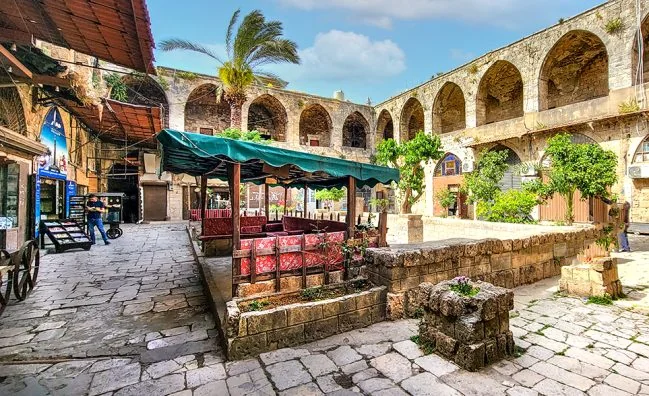
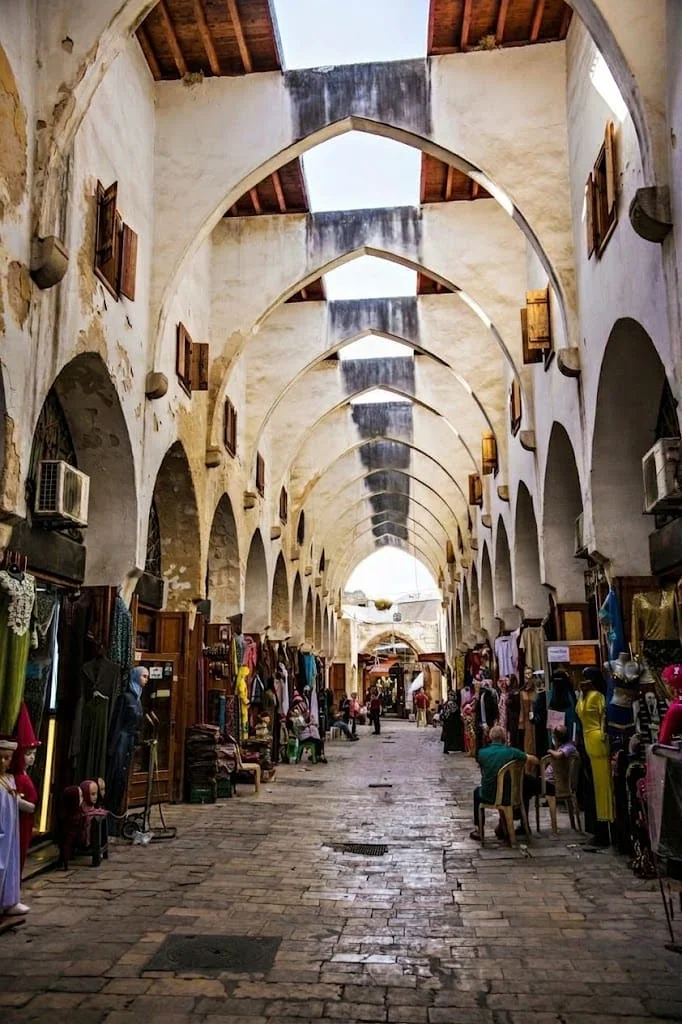
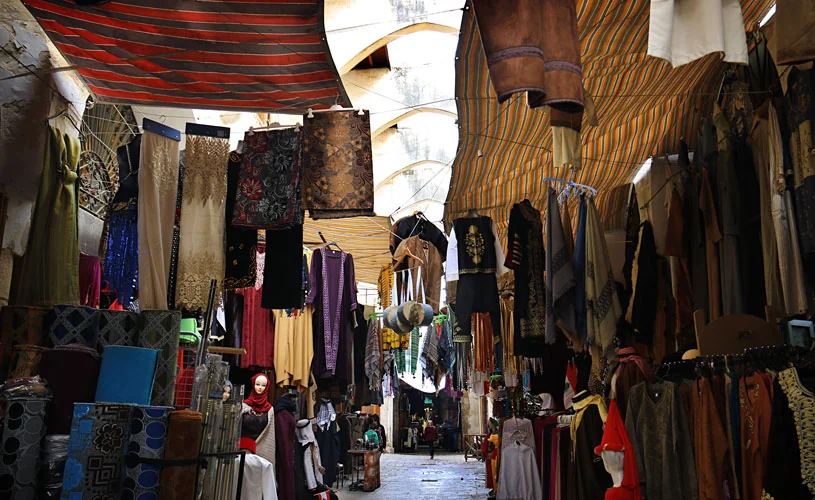
The narrow streets, old shops, khans, and workshops of Tripoli’s old souks reflect the city’s history of trade, traditional crafts, and living heritage. They remain closely linked to local craftsmanship and commercial life.
Historical / Cultural Significance
Tripoli has Phoenician origins, while the present Old City mainly developed during the Mamluk period. Its souks, khans, mosques, madrasas and hammams reflect the city’s medieval heritage. The souks include Khan al-Khayyatin (Tailors’ Souk) and Khan al-Saboun (Soap Souk), linked to the city’s traditional textile and soap-making activities. The Old City also contains buildings from the Roman, Byzantine, Crusader, Mamluk and Ottoman periods.
Community Relevance
The souks remain part of daily life in Tripoli and provide spaces for trade, crafts and social interaction. Tripoli faces high levels of poverty, which affects local communities and businesses. The Old City also reflects the coexistence between Muslim and Christian communities.
Current Situation
The Old Souks continue to function as commercial and craft areas, but some traditional activities have declined. High levels of poverty and economic difficulties affect local businesses and daily life. Changes in businesses and the need to maintain historic buildings also create challenges. Preserving the souks as a living part of the city remains a priority.
Full address
Old City, Tripoli, North Lebanon Governorate
Accessibility
accessible
Classification details
Traditional market / living heritage
Tags
Tripoli, Old City, Old Souks, Mamluk heritage, traditional market, khans, crafts, artisans, local businesses, traditional architecture, soap making, textiles, living heritage, cultural heritage, tourism
Information sources
Official documentation; Website / online source
Date of field visit / interview
22/9/2026