Traditional Silk Production
Various areas of Lebanon / North Lebanon and Mount Lebanon
Silk production is part of Lebanon’s traditional craft heritage, especially in Mount Lebanon. The tradition includes growing mulberry trees, raising silkworms, producing silk thread and weaving silk textiles.
City / area marker — this pin shows the general city or area, not the exact site.
Overview
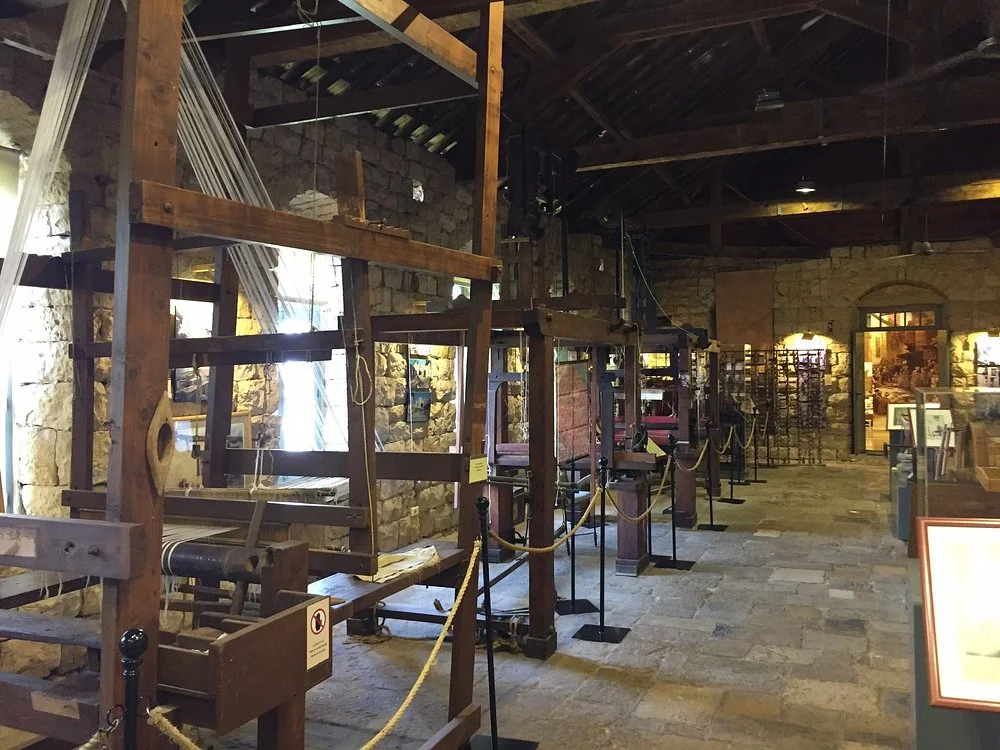
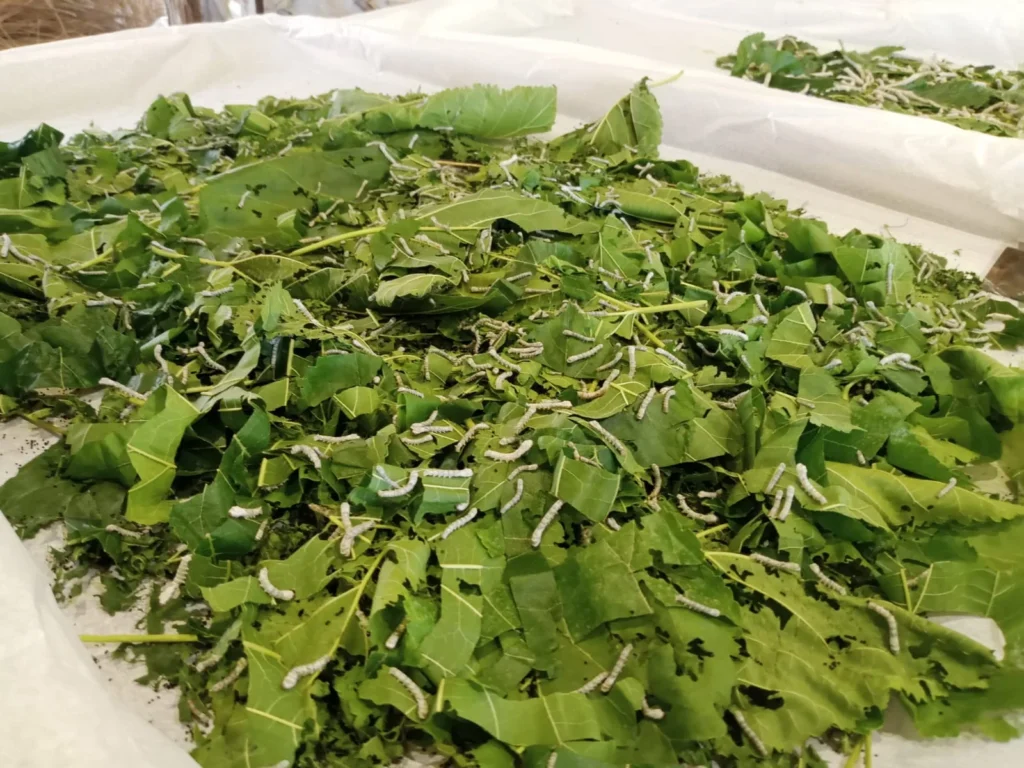
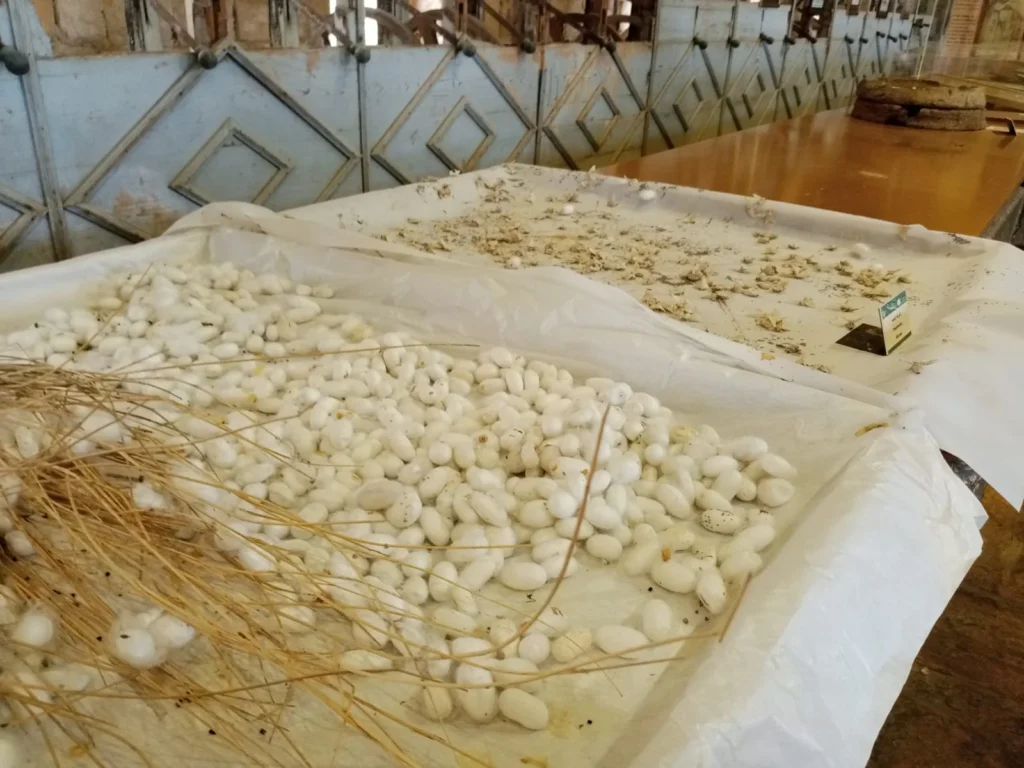
Silk production played an important role in the economic and social history of Mount Lebanon. The tradition includes several stages, from growing mulberry trees and raising silkworms to producing silk thread and weaving fabrics. Silk weaving is one of Lebanon’s traditional crafts.
Historical / Cultural Significance
Silk production became an important part of the economy of Mount Lebanon during the 18th and 19th centuries. The cultivation of mulberry trees and the raising of silkworms supported rural communities and increased trade with European markets, especially France. By the late 19th century, silk was a major export, and many silk-reeling factories had been established in Mount Lebanon.
In 1956, the Lebanese government established the Silk Office to support and manage the silk sector. It later became part of the Ministry of Agriculture and helped distribute mulberry plants and silkworm seeds.
Community Relevance
Silk production influenced the economic and social development of Lebanese communities. It created new work opportunities for women and contributed to changes in family and rural life. The silk trade also shaped the social and demographic development of Mount Lebanon. Strong trade relations with France and French support for the Maronite community increased the economic importance of Maronite areas.
Current Situation
Traditional silk production has declined significantly. Economic difficulties, the loss of traditional skills and changes in agriculture have made it harder to maintain the craft. However, local artisans and cultural initiatives continue to preserve and promote silk-related traditions.
Full address
Mount Lebanon / The Silk Musuem - Bsous
Accessibility
accessible
Classification details
Living heritage / traditional handicraft
Tags
Lebanon, Mount Lebanon, silk, silk production, sericulture, silkworms, mulberry trees, silk weaving, traditional crafts, handicrafts, artisans, living heritage, cultural heritage, rural heritage
Information sources
Official documentation; Website / online source