Patriarchal See of the Maronite Church (Bkerké)
Bkerké / Keserwan District / Mount Lebanon Governorate
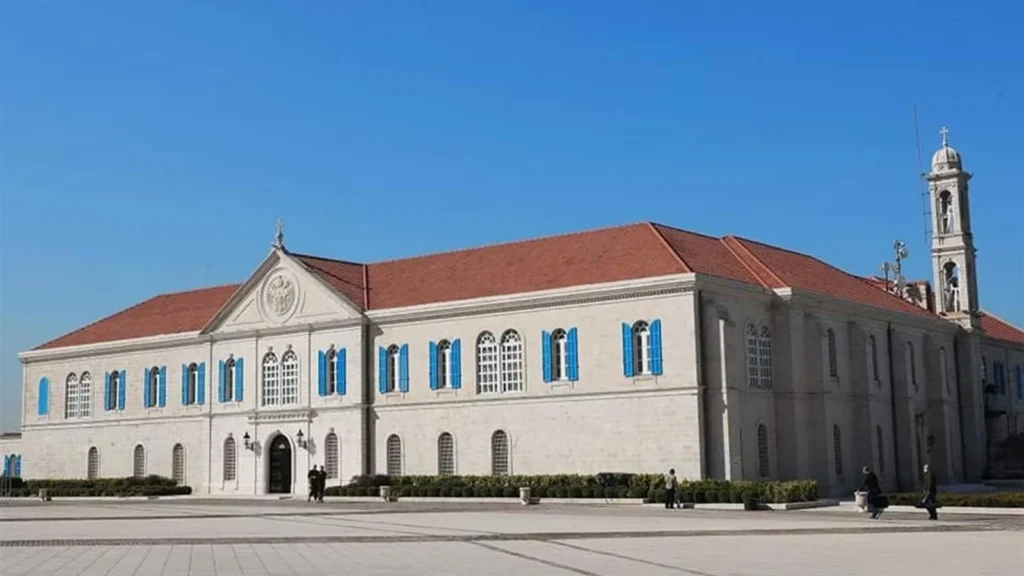
Bkerké is the current Patriarchal See and official residence of the Maronite Patriarch. Located in Keserwan overlooking the Lebanese coast, it is an important religious, historical, and cultural landmark and a major centre of Maronite life.
Verified site location
Overview
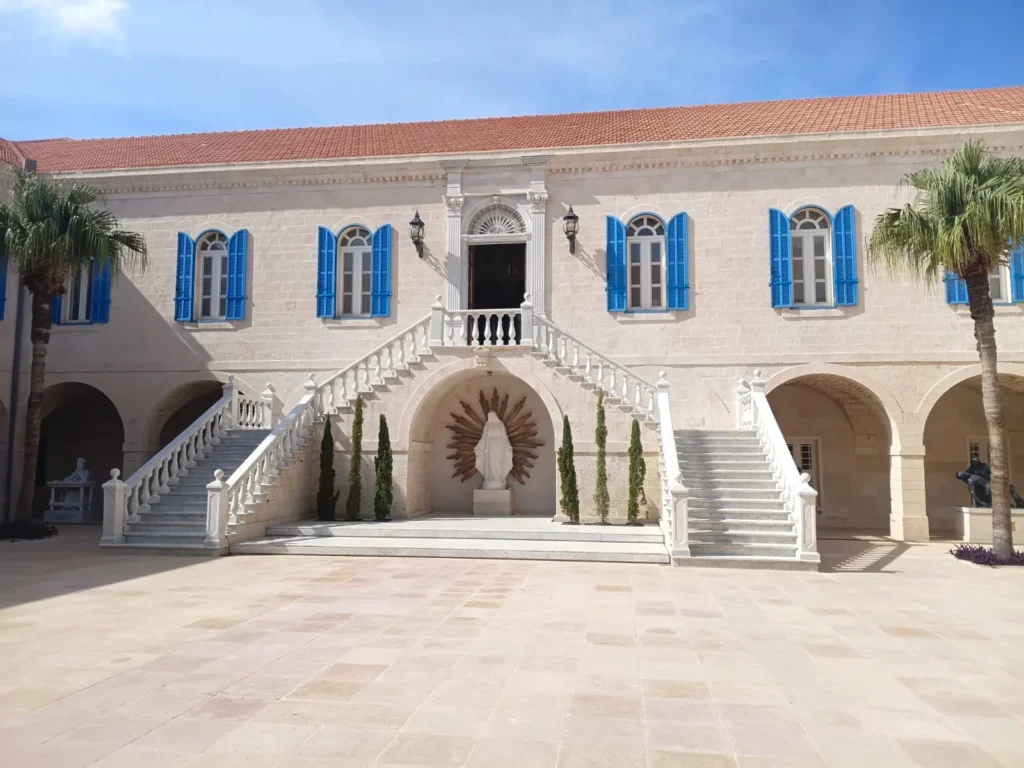
Bkerké Monastery is the headquarters and Patriarchal See of the Maronite Church in Lebanon. It is the official seat of the Maronite Patriarch of Antioch and All the East and serves as an important centre for the religious and pastoral life of the Maronite Church.
Historical / Cultural Significance
The history of the Maronite Patriarchate is closely linked to the monasteries of Lebanon. Before moving to Bkerké, the patriarchal seat was based for several centuries at the Monastery of Qannoubine in the Qadisha Valley. According to the Maronite Patriarchate, the seat was transferred to Bkerké in the early nineteenth century. Over time, Bkerké became surrounded by churches, monasteries, and educational and social institutions.
Bkerké is not only an important religious site but also has an important national role in Lebanon. This role is linked to the historical role of the Maronite Patriarchate in key moments of Lebanese history. Patriarch Elias Hoayek played an important role in the creation of Greater Lebanon in 1920. Bkerké also played a role in the discussions that led to the National Pact of 1943 between Christian and Muslim leaders. The Bkerké Conference of 25 December 1941 was an important step in this process.
Today, the Patriarch regularly receives Maronite and non-Maronite political figures, making Bkerké an important place for religious, political, and national dialogue.
Community Relevance
Bkerké is a major centre of Maronite religious and community life. It welcomes clergy, religious figures, community representatives, pilgrims, and visitors, and hosts important religious meetings and celebrations.
Every year, Bkerké hosts the Synod of Maronite Bishops, bringing together bishops from Lebanon and the Maronite diaspora around the world.
Beyond its religious role, Bkerké also has an important social and cultural role in Lebanon. The Patriarchate is involved in education, social work, dialogue, and issues related to the presence of Christians and Lebanon’s diverse communities.
Current Situation
Bkerké remains the active Patriarchal See and an important centre of the Maronite Church. It hosts the Patriarch, bishops, religious meetings, pastoral activities, and visitors from Lebanon and abroad.
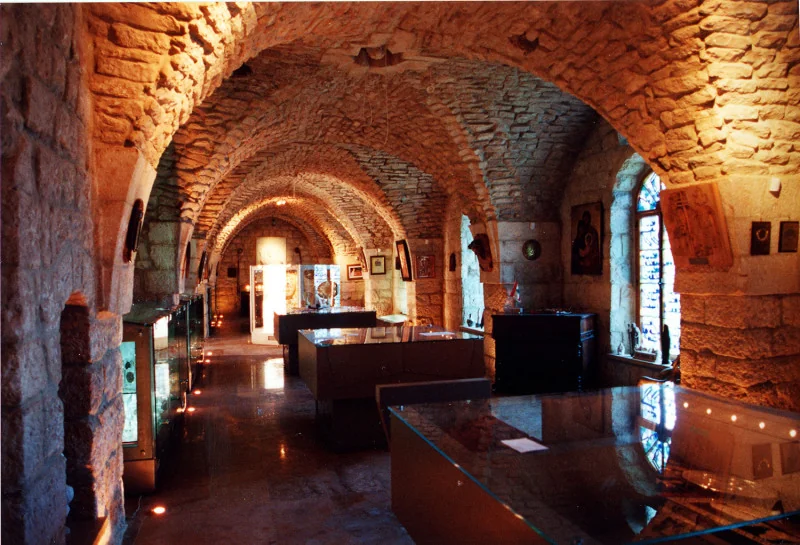
The complex also includes a museum that preserves and displays objects, documents, and artifacts related to Maronite history and heritage.
Full address
Bkerké, Keserwan District, Mount Lebanon, Lebanon
Accessibility
Accessible
Tags
Maronite Church; Maronite Patriarchate; Bkerké; Patriarchal See; Lebanese Christian Heritage; Religious Heritage; Monastery; Maronite History; Lebanon; Interreligious Dialogue
Information sources
Official documentation; Website / online source
Sources and references
https://bkerki.org/
Date of field visit / interview
27/09/2026