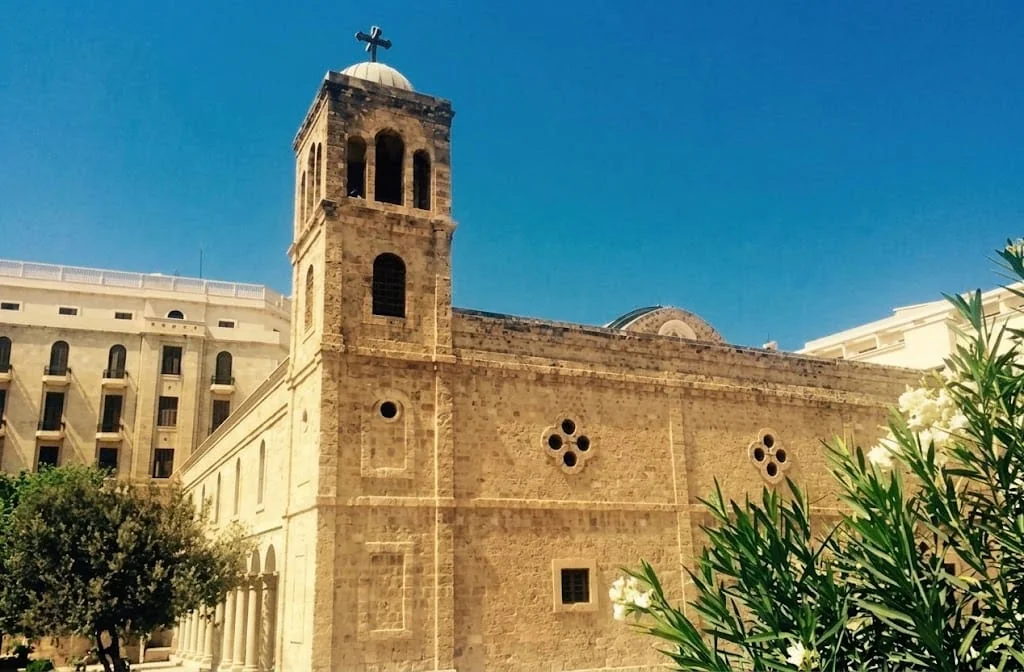
Saint Elias Greek Catholic Cathedral
Beirut / Downtown Beirut / Beirut Governorate
Saint Elias Greek Catholic Cathedral is a historic Melkite Greek Catholic cathedral in Downtown Beirut, near Nejmeh Square.
Verified site location
Overview
Saint Elias Cathedral is the main cathedral of Beirut’s Melkite Greek Catholic community. Built in the nineteenth century, it is located in the historic centre and forms part of the city’s religious and architectural heritage.
Historical / Cultural Significance
A small Melkite convent and chapel dedicated to Saint Elias existed on the site from the eighteenth century. The present cathedral was built between 1847 and 1849 under Bishop Agapios Riachi.
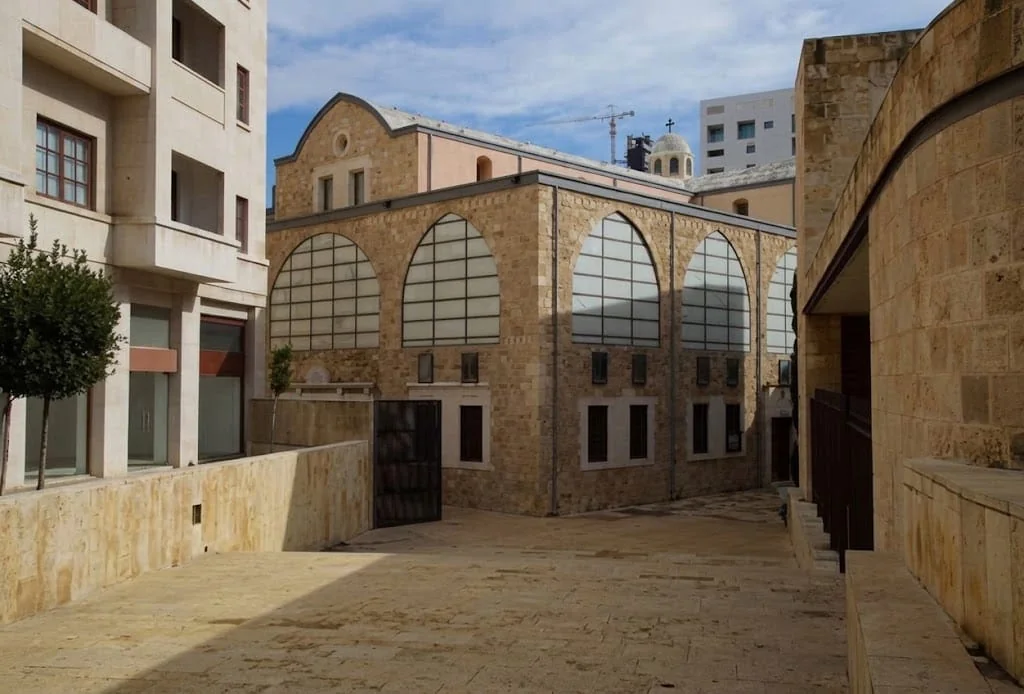
The cathedral was damaged during the Lebanese Civil War (1975–1990). Restoration works began in the early 2000s and were completed in 2006. During the restoration, a Roman-period colonnaded courtyard was also discovered beneath the complex.
Community Relevance
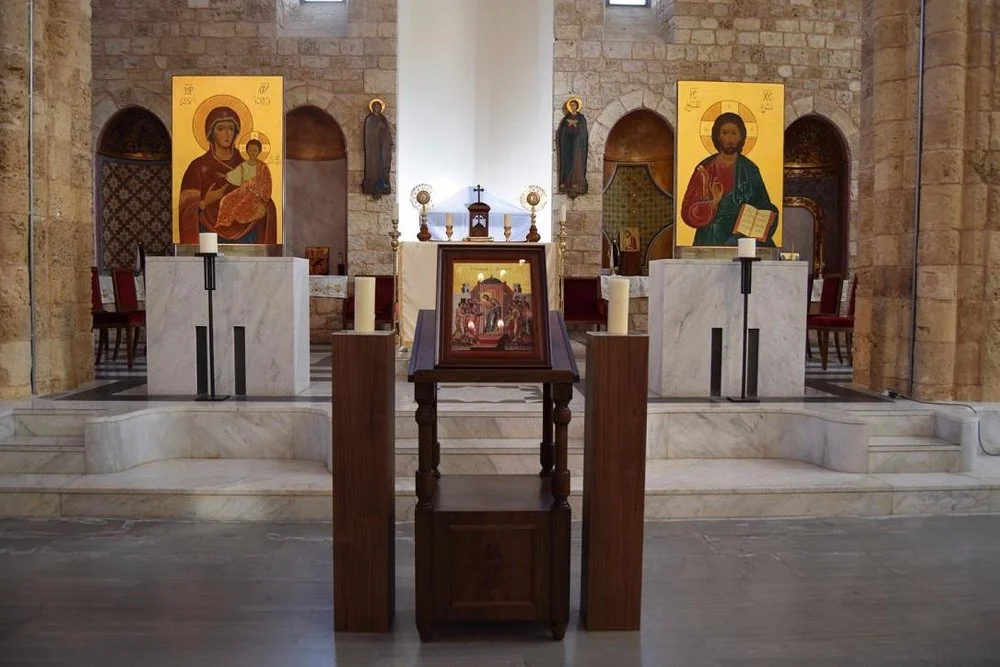
The cathedral is an important place of worship for Beirut’s Melkite Greek Catholic community. It hosts religious services, celebrations and community activities.
The cathedral is located in Downtown Beirut, facing the Lebanese Parliament and surrounded by religious, historical and cultural landmarks. Every year during Ramadan, the church organizes an iftar and invites both Christians and Muslims. This tradition reflects Beirut’s diverse and shared religious and cultural identity.
Current Situation
The cathedral was damaged by the Beirut port explosion on 4 August 2020, but has since been restored. It remains an active place of worship and part of Beirut’s religious and cultural heritage.
Full address
Downtown Beirut, near Nejmeh Square, Beirut, Lebanon
Accessibility
Accessible, subject to opening hours and religious activities
Classification details
Cathedral
Tags
Saint Elias, Greek Catholic, Melkite Greek Catholic, Cathedral, Beirut, Downtown Beirut, Nejmeh Square, Christian heritage, Religious heritage, Byzantine architecture, Lebanese heritage, Melkite community
Captions and credits
Credits: Father Agapios Kfoury
Information sources
Website / online source