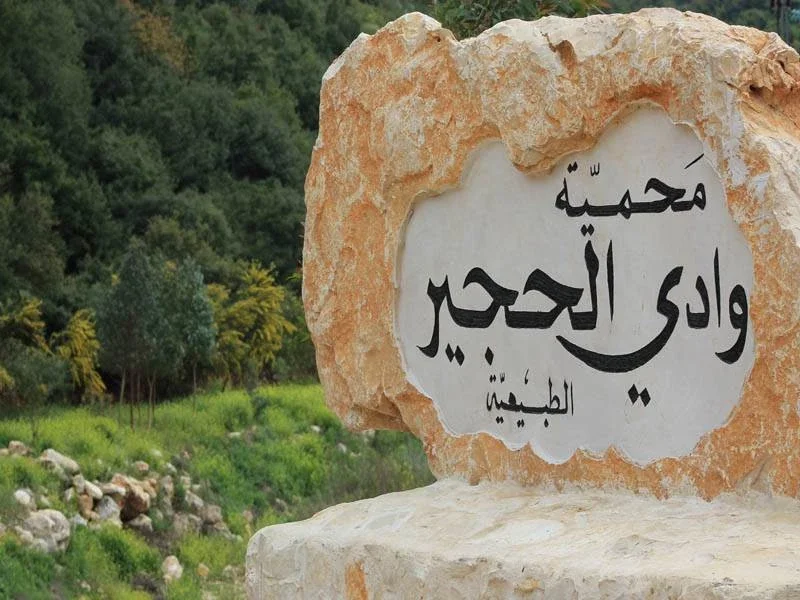
Wadi al-Hujeir Nature Reserve
Wadi al-Hujeir / Nabatieh, Bint Jbeil and Marjeyoun Districts / South Lebanon
Wadi al-Hujeir Nature Reserve is a protected natural area in South Lebanon. It covers parts of the Nabatieh, Bint Jbeil and Marjeyoun districts.
City / area marker — this pin shows the general city or area, not the exact site.
Overview
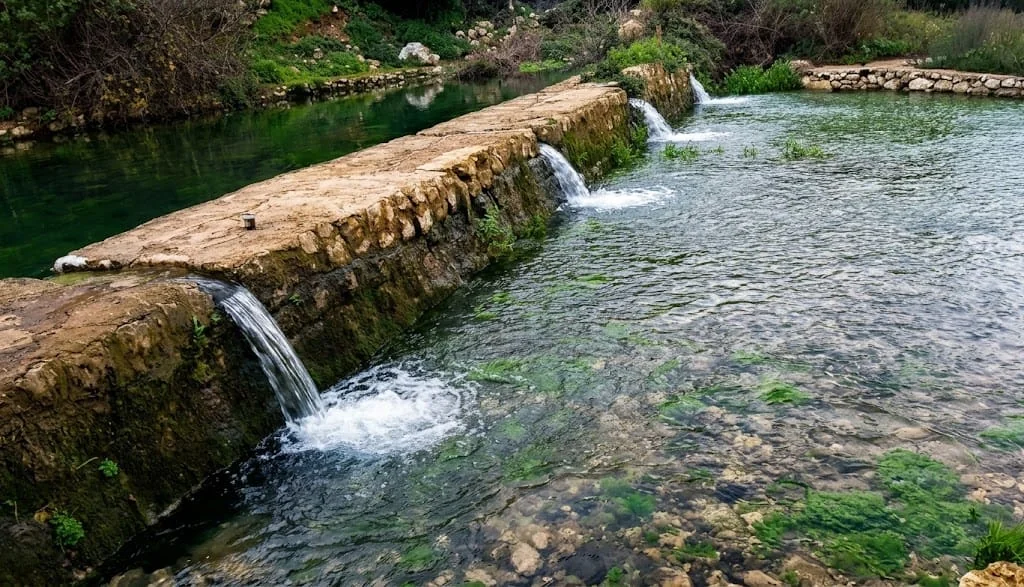
Wadi al-Hujeir is a nature reserve in the Jabal Amel region of South Lebanon. Established by law in 2010, it includes a large valley and surrounding natural areas, known for their forests, ancient olive trees, and diverse landscapes.
Historical / Cultural Significance
Wadi al-Hujeir holds a significant place in the modern history and collective memory of the Jabal Amel community. In April 1920, the valley hosted a gathering of Shia religious scholars, local leaders, and representatives who opposed the French Mandate and supported the unification of Jabal Amel with Syria under King Faisal. The conference marked an important moment in the political history and identity of the Shia community in South Lebanon.
The valley also gained prominence during the 2006 Lebanon War, when intense fighting took place in Wadi al-Hujeir and Wadi al-Saluki. Its location between the districts of Nabatieh, Bint Jbeil, and Marjeyoun has contributed to its historical and strategic significance.
Community Relevance
The valley is linked to local agriculture, especially olive cultivation, and is part of the cultural landscape of Jabal Amel. The reserve also supports environmental education, nature activities, and awareness of forest and biodiversity protection.
Current Situation
The reserve protects its forests, ancient olive trees, and natural habitats. Conservation efforts focus on protecting biodiversity and the natural landscape. The security situation in South Lebanon can affect access and activities in the reserve.
Full address
Wadi al-Hujeir, South Lebanon; the reserve extends across the districts of Nabatieh, Bint Jbeil and Marjeyoun.
Accessibility
Partially accessible - security reasons
Classification details
Natural heritage / Nature reserve
Tags
Natural heritage; biodiversity; forests; ancient olive trees; oak trees; carob; protected area; landscape; agriculture; Jabal Amel; South Lebanon; environmental conservation; ecotourism.
Information sources
Official documentation; Website / online source