Baalbek Roman Temples / Baalbek Archaeological Site
Baalbek City / Baalbek District / Baalbek-Hermel Governorate, Lebanon
Baalbek is a major archaeological site in the Bekaa Valley, known for its large Roman temples and earlier Phoenician heritage.
Verified site location
Overview
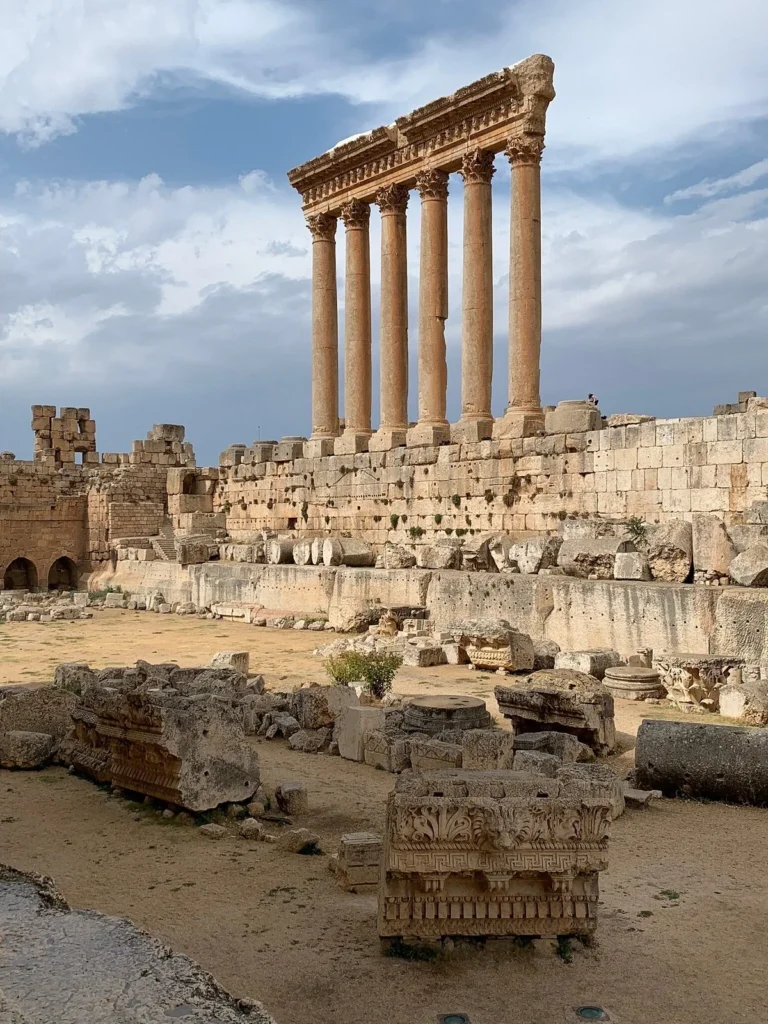
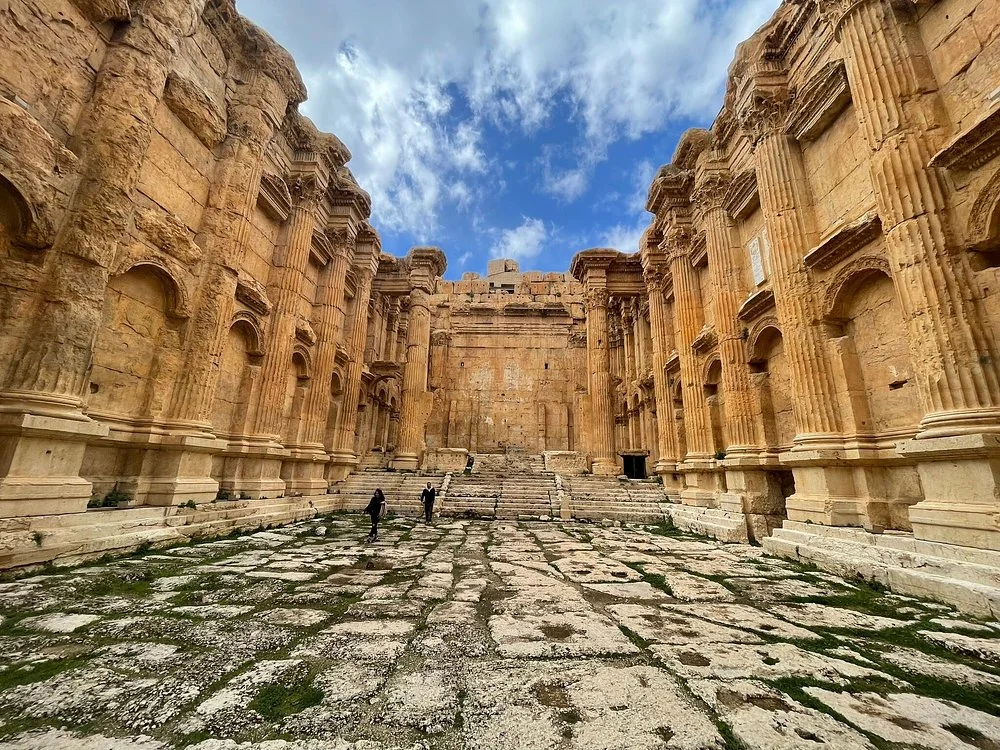
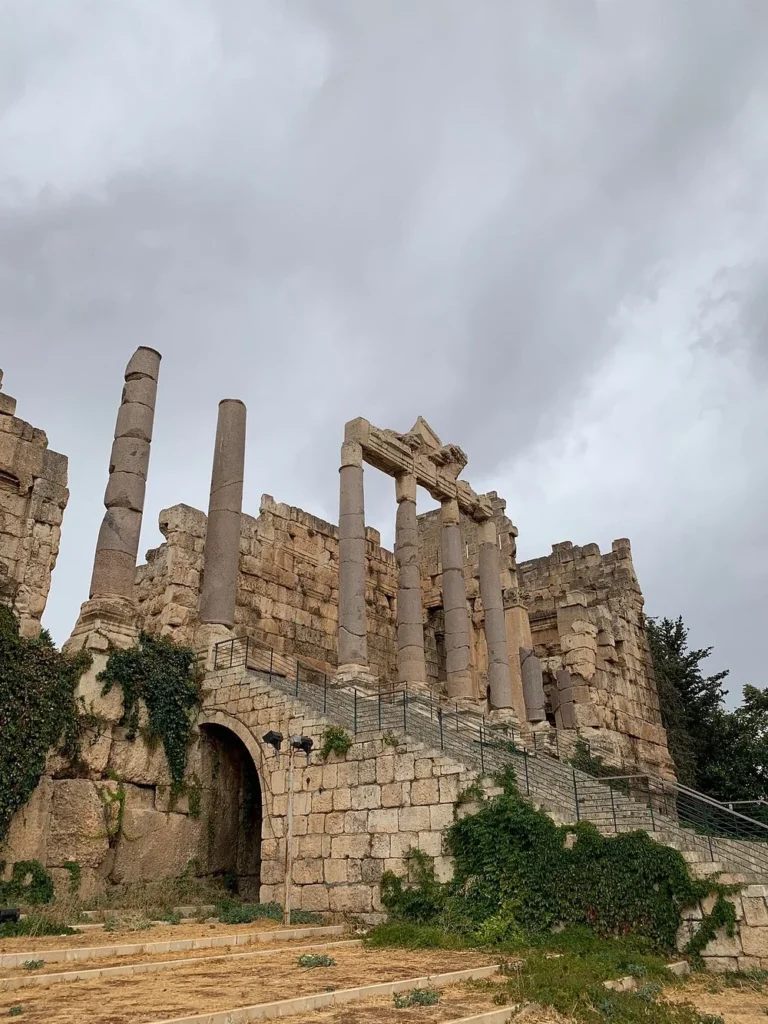
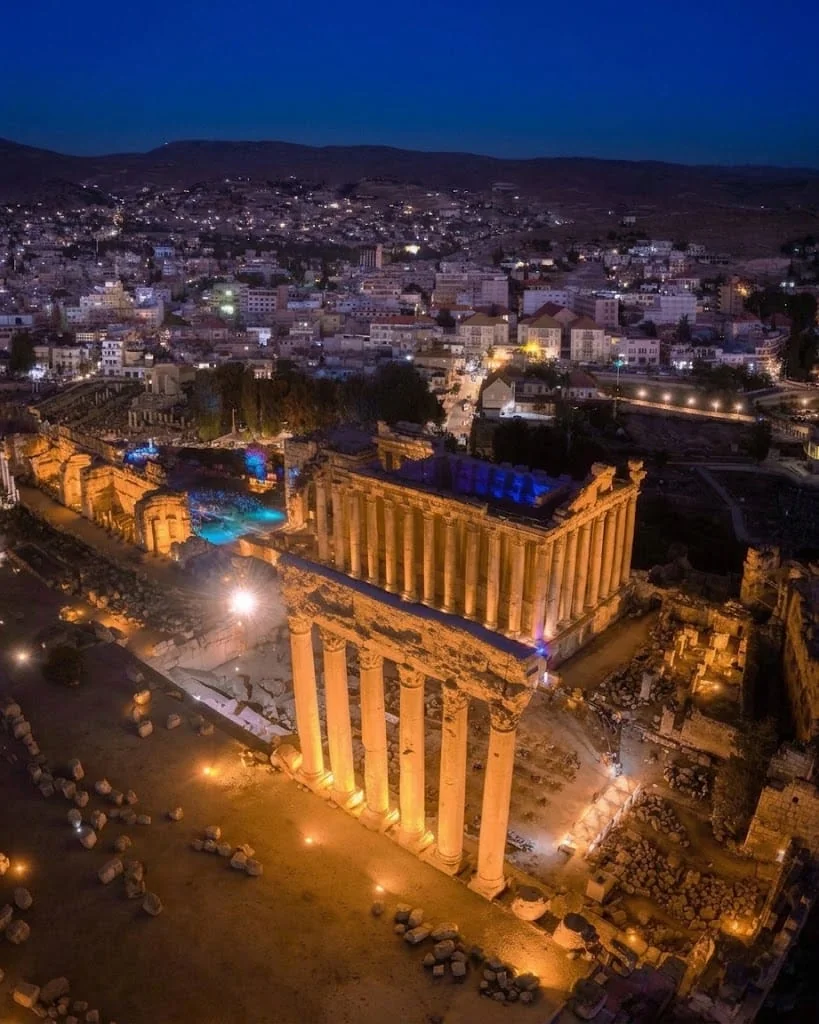
Baalbek, known as Heliopolis during the Hellenistic and Roman periods, was a major religious centre. It is famous for its large Roman temples, including those of Jupiter, Bacchus and Venus, and its impressive stonework. The site has been a UNESCO World Heritage Site since 1984.
Historical / Cultural Significance
The main sanctuary includes the Temple of Jupiter, Temple of Bacchus and Temple of Venus. The Temple of Jupiter was the main temple, while the Temple of Bacchus is known for its well-preserved architecture and decoration. The Temple of Venus, also called the Round Temple, has a distinctive circular shape.
Baalbek combines local and Phoenician traditions with Greek and Roman influences. Its large temples and massive stone blocks make it an important example of Roman architecture and heritage.
Community Relevance
Baalbek is an important cultural landmark for the local community and for Lebanon. The site attracts visitors and researchers and contributes to the cultural identity and tourism of the area.
The archaeological site also hosts the Baalbek International Festival, which brings cultural and artistic events to the site. The museum, established in 1998, displays archaeological objects from the Roman and Islamic periods.
Current Situation
The archaeological site is protected and managed by the Directorate General of Antiquities. The site was affected by the 2024 war. In March 2025, UNESCO assessed the damage and reported damage in and around the site, including the destruction of the Manchieh heritage building near the entrance. UNESCO recommended continued monitoring and structural assessment, particularly of the Temple of Jupiter.
In November 2024, Baalbek was granted provisional enhanced protection under the 1999 Second Protocol to the 1954 Hague Convention for the protection of cultural heritage during armed conflict.
Full address
Baalbek Archaeological Site, Baalbek, Baalbek-Hermel Governorate, Lebanon
Accessibility
Accessible
Classification details
Archaeological site / UNESCO World Heritage Site
Tags
Baalbek, Roman heritage, Heliopolis, archaeology, temples, Jupiter, Bacchus, Venus, Phoenician heritage, Roman architecture, UNESCO World Heritage, cultural heritage
Captions and credits
Credits: Baalbeck International Festival
Information sources
Official documentation; Archival material; Website / online source
Sources and references
Main sources:
UNESCO World Heritage Centre – Baalbek
UNESCO State of Conservation Report, 2025
UNESCO World Heritage Committee Decision 47 COM 7B.174
Lebanese Ministry of Culture / Directorate General of Antiquities