Archaeological Quarter of Tyre
Tyre / Old City / South Lebanon Governorate
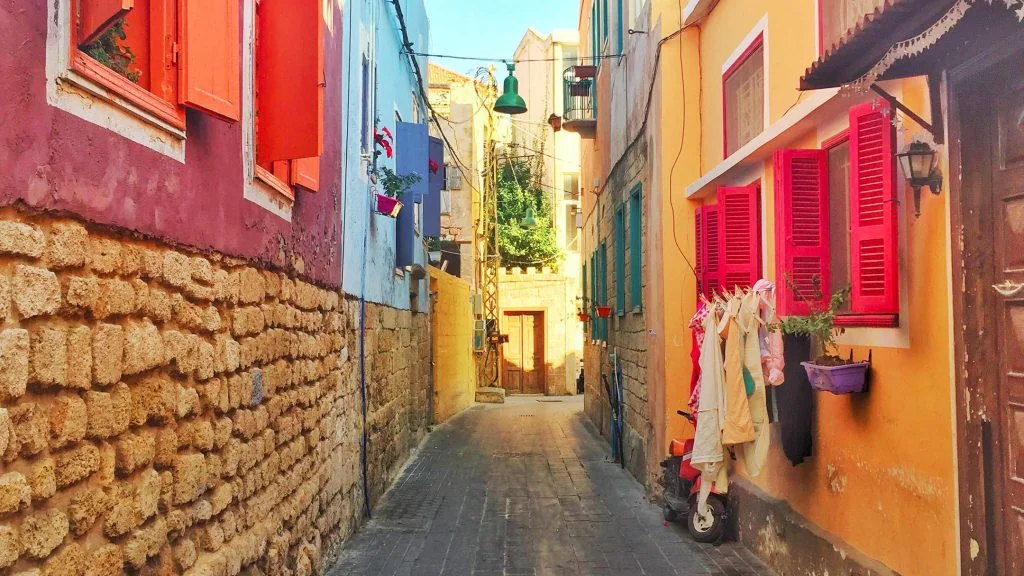
The Traditional Quarter of Tyre includes the streets around Al-Mina and the Christian neighbourhood of the old city. It combines traditional houses, churches, local shops, archaeological remains and the historic fishing port, reflecting Tyre’s diverse heritage.
City / area marker — this pin shows the general city or area, not the exact site.


Overview
The traditional quarter includes archaeological remains that reflect Tyre’s historical, religious and community heritage. From Tyre, Phoenician traders travelled across the Mediterranean, reaching places such as Malaga in Spain, Carthage in Tunisia, and other parts of North Africa.
Historical / Cultural Significance
The quarter preserves Tyre’s traditional character, with narrow streets, old stone houses, courtyards and historic buildings. It also includes churches and buildings linked to the Christian community. Its location near the old port reflects Tyre’s long fishing and maritime traditions.
Community Relevance
The archaeological area is an important part of Tyre’s cultural identity and attracts tourists. The quarter also reflects Tyre’s tradition of coexistence between different religious communities. Churches, local businesses and daily community life contribute to the area’s living heritage and social fabric.
Current Situation
The archaeological area remains vulnerable to urban development and the effects of the conflict in southern Lebanon. UNESCO has highlighted the need to protect the archaeological remains and carefully manage development around the site.
Full address
Old City of Tyre, South Lebanon
Accessibility
Partially accessible – security reason
Classification details
Archaeological area
Tags
Tyre, archaeology, Roman heritage, Phoenician heritage, old city, Roman baths, colonnaded road, archaeological remains, UNESCO, cultural heritage, tourism
Captions and credits
Credits: My Lebanon Guide
Information sources
Official documentation; Archival material; Website / online source
Sources and references
Main source: UNESCO World Heritage Centre – Tyre.