Traditional Pottery Production in Lebanon
Various areas of Lebanon / North Lebanon, Mount Lebanon and South Lebanon
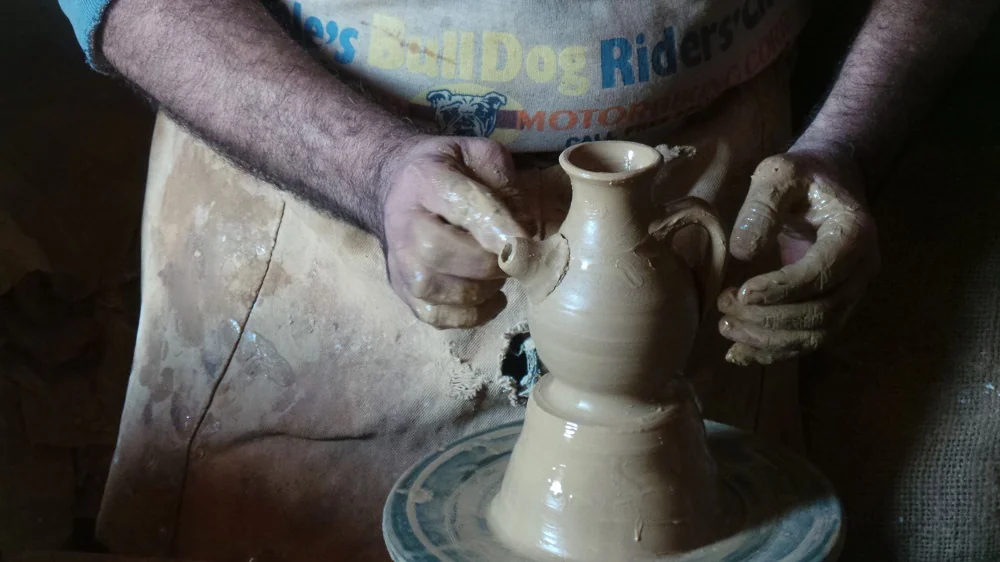
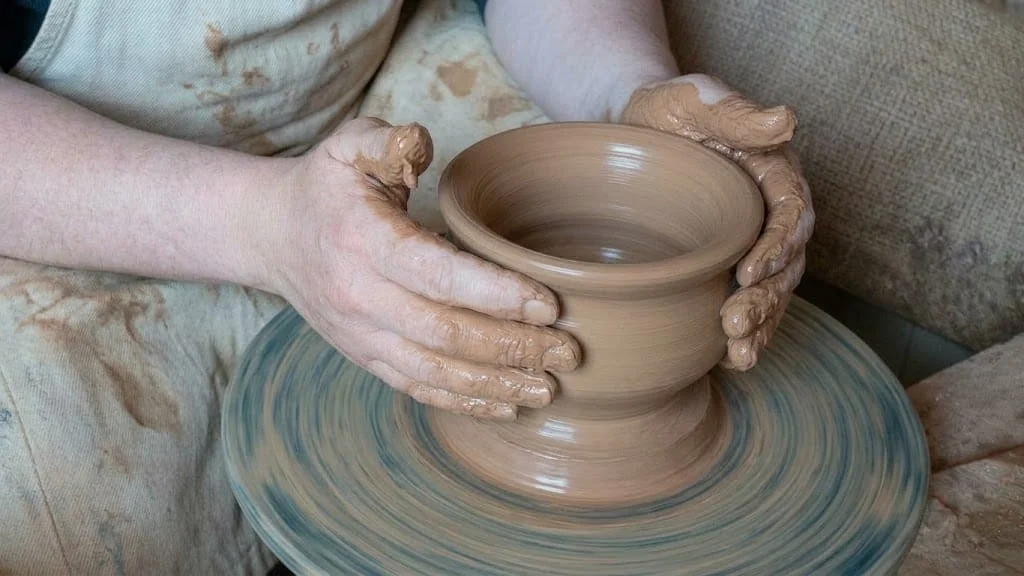
Traditional pottery is one of Lebanon’s long-standing handicrafts. Local artisans use clay to make handmade household items, decorative objects and traditional pottery.
City / area markers · 3 places — these pins show the general towns or areas, not exact sites.
Overview
Several areas in Lebanon are known for traditional pottery making, including Rachaya al-Fakhar in South Lebanon, Assia in North Lebanon and Beit Chabeb in Mount Lebanon. Rachaya al-Fakhar takes its name from this craft: “Fakhar” (فخار) means “pottery” in Arabic. These areas have preserved pottery-making skills and traditions passed down through generations.
Historical / Cultural Significance
Pottery has a long history in Lebanon and is part of its cultural heritage. Traditionally, pottery was used to make household and agricultural items such as jars, pots and storage containers. Today, artisans also make decorative and artistic pottery.
Community Relevance
Pottery provides income for local artisans and helps preserve traditional skills. It is also part of family traditions and local knowledge passed down through generations. Pottery workshops and artisans help preserve Lebanon’s traditional handicraft heritage.
Current Situation
Traditional pottery has declined because of industrial products, changing habits and economic difficulties. The high cost of materials and equipment also affects artisans. However, some artisans and cultural initiatives continue to preserve the craft through workshops and handmade products.
Full address
Rachaya Al-Fakhar – Hasbaya, Nabatieh
Assia – Batroun, North Lebanon
Beit Chabeb – Metn, Mount Lebanon.
Accessibility
Accessible / Partially accessible, depending on the workshop
Classification details
Living heritage / traditional handicraft
Tags
Lebanon, pottery, traditional pottery, handicrafts, artisans, clay, traditional crafts, handmade products, rural heritage, living heritage, cultural heritage
Captions and credits
Credits: Arairo Pottery
Information sources
Field visit; Interview with community representative; Website / online source