Traditional Knife Making
Jezzine / Jezzine District / South Lebanon Governorate
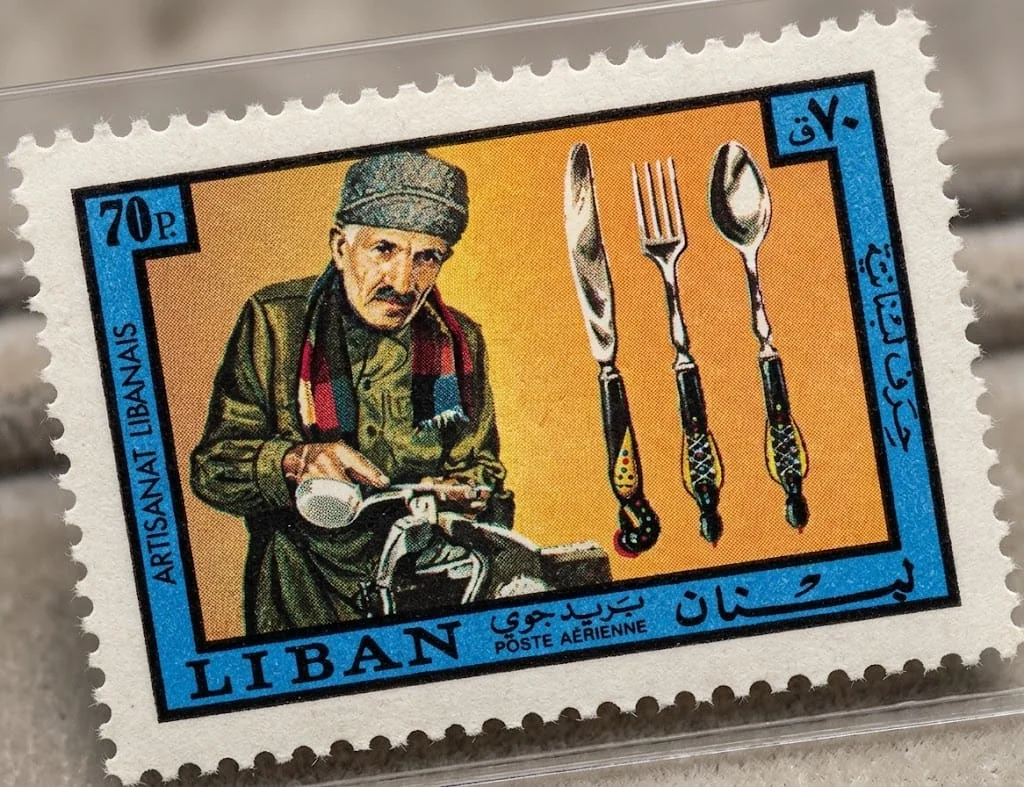
Traditional knife and cutlery making is one of Jezzine’s best-known crafts.
City / area marker — this pin shows the general city or area, not the exact site.
Overview
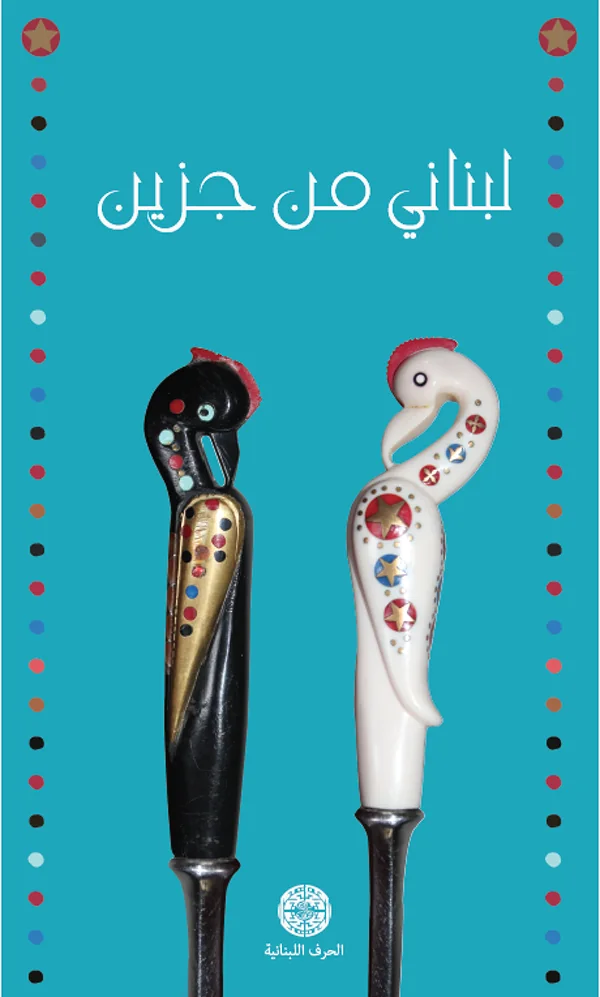
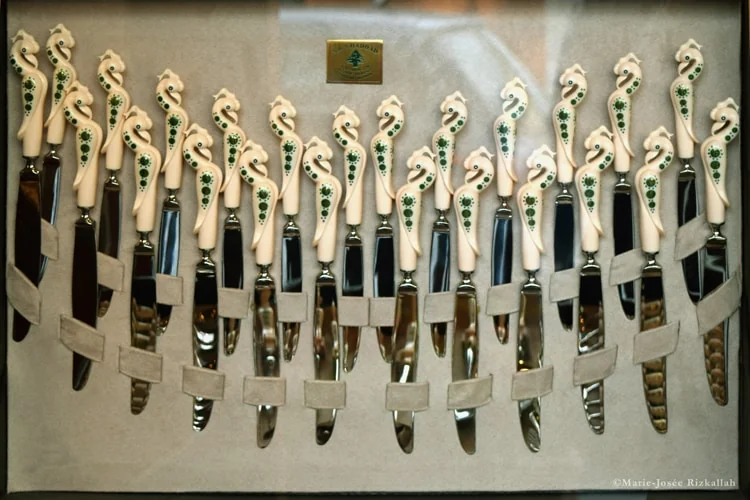
The craft has traditionally been practiced by local families and passed down through generations. Artisans handcraft the blades and carve the handles from bone or horn, often adding metal decorations.
Historical / Cultural Significance
The tradition dates back to the 1770s, when the Haddad family began making knives, swords and gun parts in Jezzine. From the 1930s, local artisans also began producing cutlery and tableware. The handles were traditionally made from bone or buffalo horn and decorated with metal. The famous bird-shaped handle later became a symbol of Jezzine’s knife-making tradition and is often associated with the phoenix.
Community Relevance
Knife making was once a source of income for families in Jezzine and became part of the town’s cultural identity. The craft was traditionally passed from father to son, preserving local skills and knowledge. Jezzine cutlery has also been given as a traditional Lebanese gift to visitors and foreign guests.
Current Situation
The craft has declined because of industrial production, changing consumer habits and fewer young people learning the trade. Only a small number of artisans still use traditional techniques. Some workshops and family businesses continue to make Jezzine cutlery and preserve the craft.
Full address
Jezzine Old Souk / Jezzine, Jezzine District, South Lebanon Governorate, Lebanon
Accessibility
Accessible / Partially accessible depending on the workshop
Classification details
Traditional handicraft / living heritage
Tags
Jezzine, South Lebanon, traditional knives, cutlery, handicrafts, traditional crafts, artisans, blade making, knife handles, phoenix, horn, bone, metalwork, living heritage, cultural heritage
Captions and credits
Credits: Haddad Cutlery
Information sources
Official documentation; Archival material; Website / online source