Traditional Soap Making in Lebanon
Tripoli / Old City – Khan al-Saboun / North Lebanon GovernorateSidon / Old City – Audi Soap Museum / South Lebanon Governorate
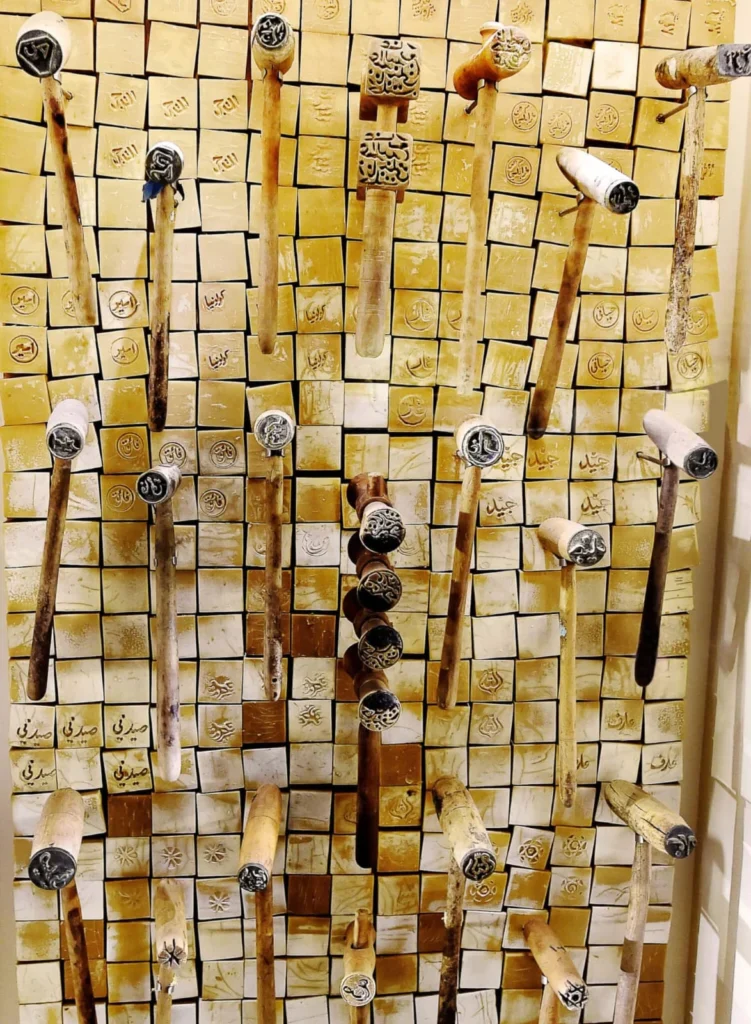
Traditional soap making is part of Lebanon’s craft heritage, based on olive oil.
City / area markers · 2 places — these pins show the general towns or areas, not exact sites.
Overview
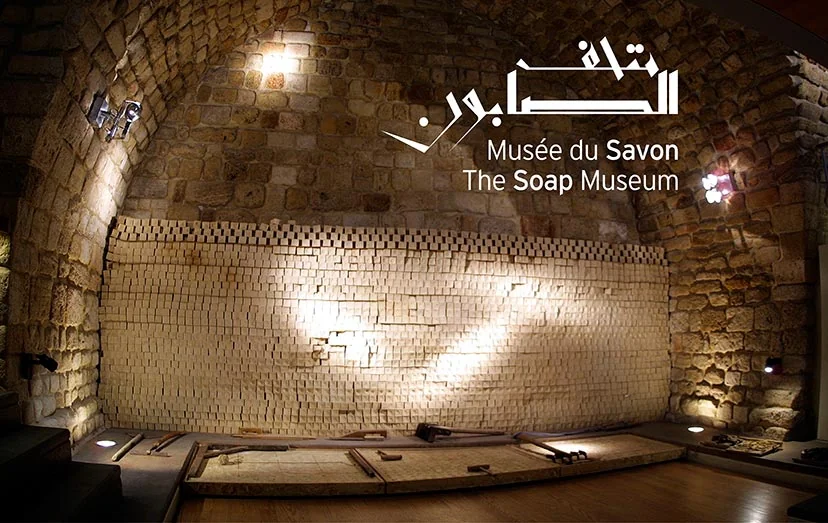
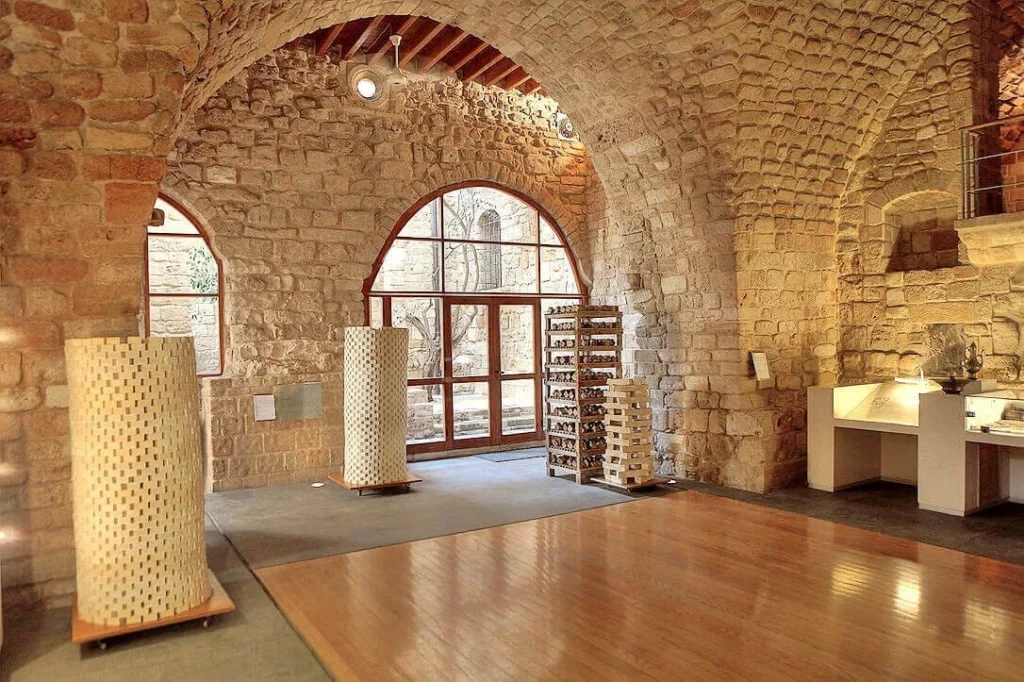
Traditional soap making is a traditional craft in Lebanon, especially in Tripoli and Sidon. It is preserved through local workshops, Khan al-Saboun in Tripoli, and the Audi Soap Museum in Sidon.
Historical / Cultural Significance
Traditional soap making has a long history in Lebanon and is linked to olive farming. Many families make soap from olive oil using traditional methods passed down through generations. The craft is part of local trade and rural life. Tripoli and Sidon are known for their soap-making traditions, while families across Lebanon continue to practice the craft.
Community Relevance
Soap making provided income for local families and was linked to olive farming and trade. The craft was passed down through families, helping preserve traditional skills and knowledge.
Current Situation
Traditional soap making has declined because of industrial production, changing consumer habits and economic difficulties. However, some family businesses and workshops continue to produce handmade soap.
Full address
Khan al-Saboun, Old City, Tripoli, North Lebanon Governorate, Lebanon.Audi Soap Museum, Old City, Sidon, South Lebanon Governorate, Lebanon.
Accessibility
accessible
Classification details
Traditional handicraft / living heritage
Tags
Lebanon, Tripoli, Sidon, Saida, Khan al-Saboun, Soap Museum, traditional soap, soap making, olive oil soap, olive oil, handicrafts, traditional crafts, artisans, living heritage, cultural heritage
Captions and credits
Credits: Visit Saida
Information sources
Official documentation; Archival material; Website / online source